


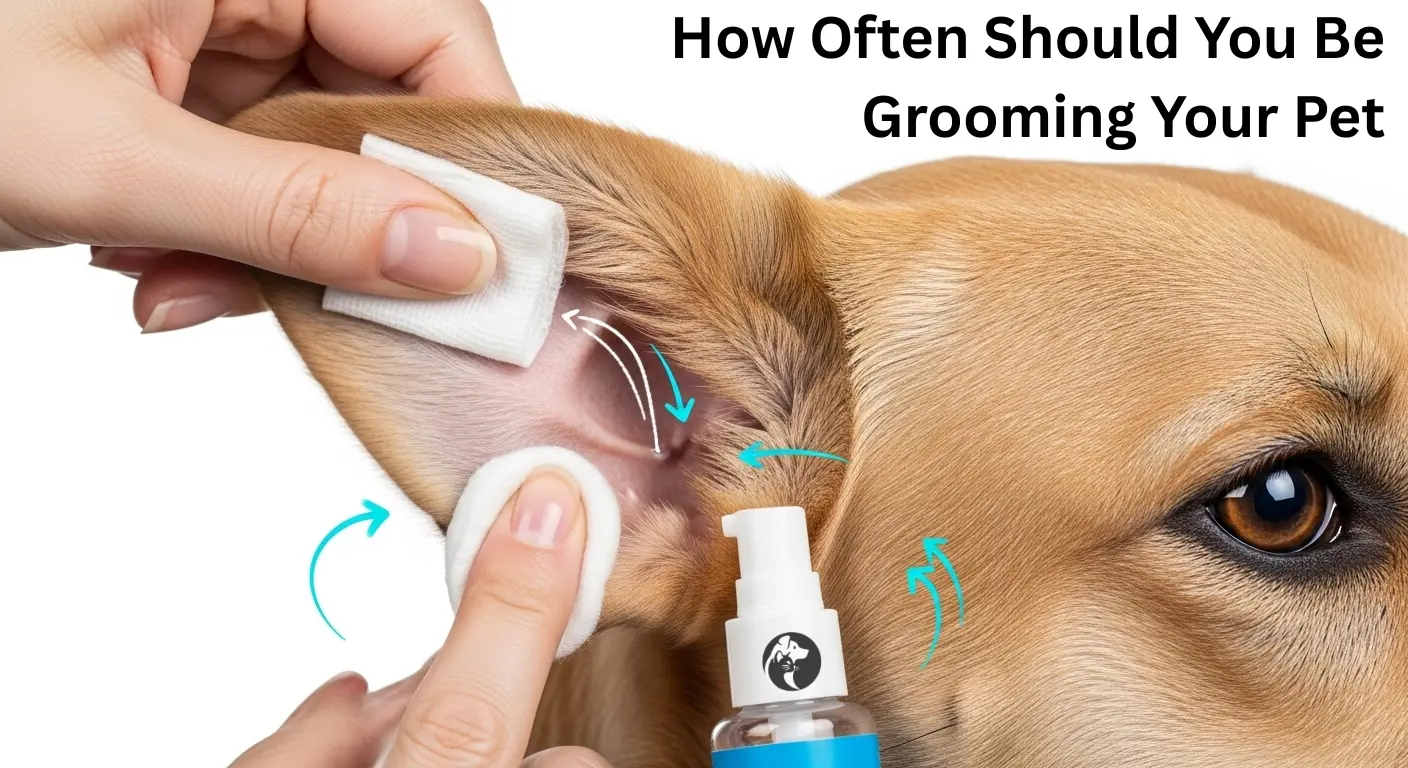
As a pet owner, you’re probably aware that grooming is an essential part of keeping your furry friend healthy and happy. But have you ever wondered how often you should be grooming your pet? Is it enough to brush their coat once a week, or do they need a daily pampering session
The ideal grooming frequency for a pet depends heavily on its species, breed, coat type, lifestyle, and overall health. A combination of at-home maintenance and professional grooming is often recommended.
Understanding Your Pet Grooming Needs
Every pet is different, and their grooming needs will vary depending on their breed, age, health, and lifestyle. For example, a long-haired dog will require more frequent grooming than a short-haired dog, while a cat that spends most of its time indoors may require less grooming than one that spends a lot of time outdoors.
Factors That Affect Grooming Frequency
- Breed: Different breeds have different coat types and grooming needs. For example, Poodles require regular grooming to prevent matting, while Bulldogs require regular cleaning of their wrinkles to prevent skin infections.
- Age: Puppies and kittens require more frequent grooming than adult pets, as they need to get used to the grooming process and learn how to behave during sessions.
- Health: Pets with health issues, such as skin allergies or arthritis, may require more frequent grooming to manage their condition.
- Lifestyle: Pets that spend a lot of time outdoors or engage in activities that get them dirty, such as hiking or swimming, will require more frequent grooming than pets that stay indoors.
Grooming Frequency for Different Pets
- Dogs: Most dogs require grooming every 4-6 weeks, but this can vary depending on their breed and lifestyle. For example, dogs with long hair may require daily brushing and grooming every 2-3 weeks, while short-haired dogs may only require grooming every 6-8 weeks.
- Cats: Cats are generally low-maintenance when it comes to grooming, but they still require regular brushing to remove loose hair and prevent hairballs. Most cats require grooming 1-2 times a week, but long-haired cats may require daily brushing.
- Rabbits: Rabbits are meticulous groomers and require regular brushing to prevent matting and tangling. They should be groomed 2-3 times a week, but this can increase to daily during shedding season.
- Birds: Birds require regular grooming to keep their feathers clean and healthy. They should be groomed 1-2 times a week, but this can increase during molting season.
The Benefits of Regular Grooming
Regular grooming is essential for your pet’s health and wellbeing. It helps to:
- Remove dirt and debris from their coat
- Prevent matting and tangling
- Reduce shedding
- Prevent skin infections
- Strengthen the bond between you and your pet
Grooming Tips and Tricks
- Be gentle and patient when grooming your pet, especially if they’re not used to it.
- Use the right tools for your pet’s coat type, such as a slicker brush for long-haired dogs or a nail clipper for cats.
- Start grooming your pet early to get them used to the process.
- Make grooming a positive experience by rewarding your pet with treats and praise.
- Don’t forget to clean your pet’s ears, eyes, and teeth as part of their regular grooming routine.
Common Grooming Mistakes to Avoid
- Not brushing your pet regularly, leading to matting and tangling.
- Using the wrong tools or products, which can damage their coat or skin.
- Grooming your pet too frequently, which can cause stress and irritation.
- Not cleaning your pet’s ears, eyes, and teeth regularly, which can lead to infections.
Conclusion
Grooming is an essential part of keeping your pet healthy and happy. By understanding your pet’s grooming needs and following the guidelines outlined in this blog post, you can keep your furry friend looking and feeling their best. Remember to be gentle, patient, and consistent, and don’t hesitate to seek professional help if you need it.