


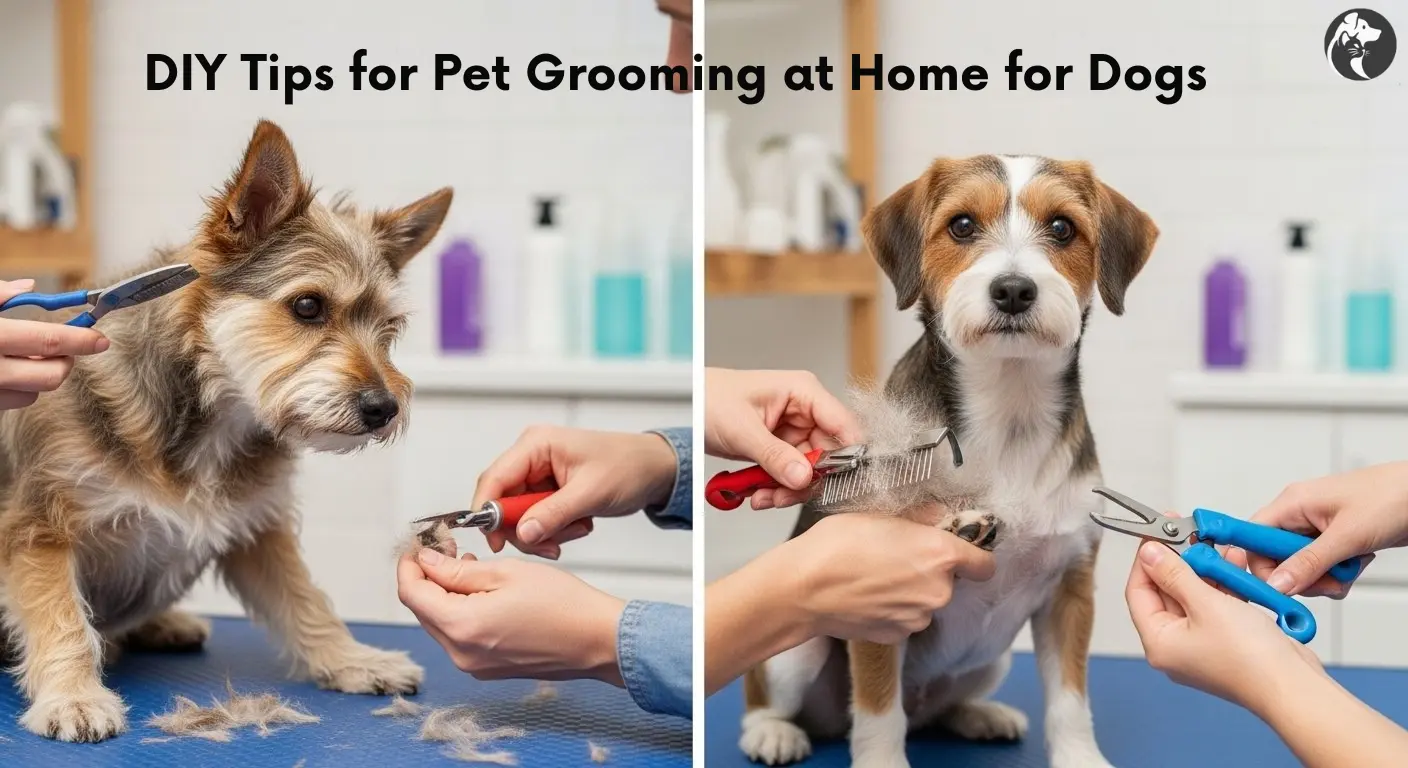
To groom your dog at home, start with a full brush to remove mats and loose hair before bathing with a dog-specific shampoo. After rinsing thoroughly, dry the coat with a towel and/or a low heat hair dryer. Grooming also includes trimming nails, cleaning ears, brushing teeth, and clipping fur.
Introduction to DIY Pet Grooming
Grooming your dogs at home can be a fun and rewarding experience for both you and your pup. Not only can it save you money, but it can also help strengthen the bond between you and your dog. However, it’s essential to do it correctly to avoid causing any harm or discomfort to your dog.
Preparing Your Dog for Grooming at Home
Before you start grooming your dog, it’s crucial to prepare them for the process. Here are a few tips to help you get started:
- Get your dog used to being handled by touching their paws, ears, and tail
- Introduce your dog to the grooming tools, such as the brush, nail clippers, and shampoo
- Start with short grooming sessions and gradually increase the time as your dog becomes more comfortable
DIY Tips for Brushing Your Dog’s Coat
Brushing your dog’s coat is an essential part of their grooming routine. It helps remove loose hair, prevent matting, and distribute skin oils. Here’s how to do it correctly:
- Choose the right brush for your dog’s coat type (slicker brush, pin brush, or bristle brush)
- Brush your dog’s coat in the direction of hair growth, not against it
- Be gentle, especially around sensitive areas such as the eyes, ears, and tail
- Remove any tangles or mats carefully to avoid causing discomfort
DIY Tips for Bathing Your Dog at Home
Bathing your dog at home can be a bit of a challenge, but with the right techniques, you can do it successfully.
- Choose a dog-friendly shampoo and conditioner
- Brush your dog’s coat before bathing to remove any tangles or mats
- Wet your dog thoroughly, then apply the shampoo and work it into a lather
- Rinse your dog thoroughly to remove all soap residue
- Dry your dog with a towel, paying extra attention to the ears and paws
DIY Tips for Trimming Your Dog’s Nails
Trimming your dog’s nails is an essential part of their pets grooming routine. Here’s how to do it safely and effectively:
- Choose the right nail clippers for your dog’s nail size
- Get your dog used to having their paws handled
- Trim just the tip of the nail, taking care not to cut the quick (the pink part of the nail)
- Reward your dog with treats and praise for staying calm
DIY Tips for Cleaning Your Dog’s Ears
Cleaning your dog’s ears is an essential part of their grooming routine. Here’s how to do it safely and effectively:
- Use a dog-friendly ear cleaner
- Gently wipe away any dirt or debris from the outer ear
- Avoid inserting anything into the ear canal, as this can cause damage
DIY Tips for Brushing Your Dog’s Teeth
Brushing your dog’s teeth is an essential part of their grooming routine. Here’s how to do it safely and effectively:
- Choose a dog-friendly toothbrush and toothpaste
- Get your dog used to having their mouth handled
- Brush your dog’s teeth gently, focusing on the outside surfaces
- Reward your dog with treats and praise for staying calm
Common Mistakes to Avoid When Grooming Your Dog at Home
- Not brushing your dog’s coat regularly, leading to matting and tangling
- Using human shampoo or conditioner on your dog
- Cutting your dog’s nails too short, causing pain and bleeding
- Not cleaning your dog’s ears regularly, leading to infections
| Aspect of Grooming | Do | Don’t |
|---|---|---|
| Preparation & Environment | Choose a calm, quiet, well-lit area. Use a sturdy, non-slip table and secure your dog with a grooming loop/arm (never leave them unattended). Introduce tools gradually and let your dog sniff them first. | Groom in a cluttered or unsafe area. Use a wobbly table or leave your dog unsupervised. Force your dog to stay if they become anxious — take breaks instead. |
| Brushing & Coat Care | Brush regularly (daily for long-haired breeds; weekly for short-haired). Use the right brush/comb for the coat type. Detangle mats before bathing because water tightens them. | Tug or pull at painful mats. Bathe a matted dog (this worsens mats). Shave double-coated breeds unless medically needed. |
| Bathing & Drying | Use lukewarm water and dog-specific shampoo/conditioner. Rinse thoroughly. Dry with a towel or a pet-safe, low-heat dryer. | Use human shampoo. Get water or soap in eyes or ears. Over-bathe (ideal is every 4–6 weeks). |
| Trimming Hair | Use sharp dog clippers or blunt-tipped grooming scissors for sensitive areas (face, paws, ears). Brush first, then wash and dry completely before clipping for an even result. | Use dull tools that pull hair. Trim dirty or matted coats. Use pointed scissors near delicate areas. |
| Nails, Ears & Teeth | Use dog-specific nail clippers and keep styptic powder nearby. Clean outer ears with a cotton ball and dog-safe ear cleaner. Brush with dog toothpaste and a dog toothbrush. | Cut nails too short and hit the quick. Insert cotton swabs into ears or use human ear drops. Use human toothpaste, which is unsafe for dogs. |
| Behavior & Rewards | Keep sessions short and positive. Reward good behavior with treats and praise. Take breaks when needed. | Use harsh corrections or force. Push a stressed dog beyond their comfort level. |
FAQs
How often should I groom my dog at home?
The frequency of grooming depends on your dog’s breed, coat type, and lifestyle. Generally, dogs should be brushed 2-3 times a week, bathed every 1-3 months, and have their nails trimmed every 4-6 weeks.
What are the best grooming tools for my dog?
The best grooming tools for your dog depend on their coat type and specific needs. Some essential tools include a brush, nail clippers, shampoo, and conditioner.
How can I make grooming a positive experience for my dog?
Make grooming a positive experience for your dog by being patient, gentle, and rewarding them with treats and praise.