


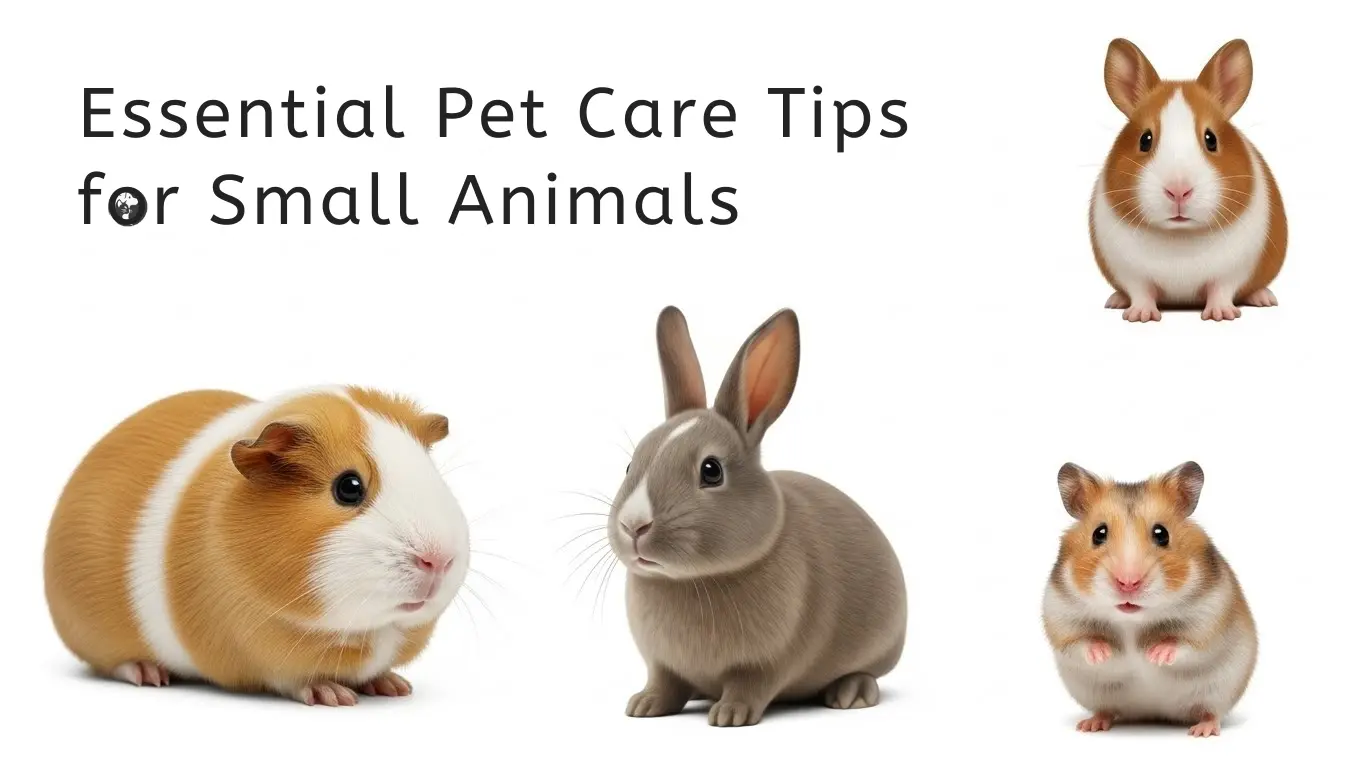
Small pets look “easy” because they’re small and that’s exactly how they trick us. A guinea pig won’t bark when it’s sick. A rabbit might act normal while hiding pain. A hamster can be stressed out by things you’d never guess. That’s why essential pet care tips for small animals aren’t “nice extras” they’re the difference between surviving and thriving.
Small animal care routine at a glance:
| Care Area | Daily (5–10 min) | Weekly (15–30 min) | Monthly / Seasonal | What to watch for |
|---|---|---|---|---|
| Food | Fresh hay/food, remove spoiled bits | Check food quality + storage | Review diet as they age | Not eating, picky suddenly |
| Water | Refresh water, clean spout/bowl | Deep-clean bottle/bowl | Check for leaks | Drinking less/more than usual |
| Housing | Spot-clean wet/dirty areas | Partial bedding refresh | Full reset + habitat review | Strong smell, damp corners |
| Enrichment | Chew + hide + explore options | Rotate toys to prevent boredom | Upgrade layout occasionally | Lethargy, bar-biting, stress |
| Handling | Gentle interaction | Nail/coat check | Practice carrier time | Fear, freezing, sudden nips |
| Health | Quick look at eyes/nose/poop | Weigh-in + body check | Vet visit planning | Weight drop, odd poop |
Food and Nutrition
Start with the “species base” instead of guessing: Rabbits do best when most of their diet is hay and grass, with leafy greens and a small amount of pellets, and treats like fruit only occasionally.
Treat hay like a daily “must,” not decoration: Guinea pigs need unlimited access to grass hay, and it helps with digestion and dental wear.
Remember vitamin C for guinea pigs: Guinea pigs need vitamin C from their diet (often through suitable veg and other sources), and guides emphasize choosing safe vegetables carefully.
Don’t copy paste diets between animals: A rabbit diet page can’t be used for hamsters, and hamster feeding can’t be used for guinea pigs. Even if both are “small,” their bodies run on totally different rules.
Use a simple “freshness rule” to prevent tummy drama:
- Remove wet greens after a couple hours
- Store pellets sealed and dry
- If it smells “off” to you, it’s definitely off to them
Water and Hydration
Offer clean water in a way your pet actually uses:
Some small pets prefer bowls, some do fine with bottles, and some do best when you offer both (at least during training). RSPCA guidance also notes that bottles can reduce contamination compared with open bowls.
Clean water gear more often than you think:
A quick rinse isn’t enough biofilm builds up and small pets don’t need that kind of “extra flavor.”
Housing and Setup
Pick a habitat that matches natural behavior:
Guinea pigs are prey animals and do better when they can hide, explore, and forage in their space.
Choose safe bedding (and skip the scented stuff):
For hamsters, PetMD lists acceptable bedding options like paper-based bedding and even plain unscented paper products for temporary use.
Make “space to move” non-negotiable:
Small pets need room to exercise, and welfare guides stress giving guinea pigs lots of space and daily exercise opportunities.
Keep the home area calm, not chaotic:
Put the enclosure somewhere with:
- Stable temperature
- No direct blasting sunlight
- No kitchen fumes
- No constant loud sound
(Your pet didn’t sign up for a life next to the subwoofer.)
Enrichment and Boredom Proofing
Think in four needs chew, hide, explore, play:
Oxbow explains enrichment as supporting natural instincts like chewing, hiding, exploring, and playing.
Rotate toys instead of buying a mountain of stuff:
Try 3–5 items at a time, then swap weekly:
- A tunnel or hide
- Something safe to chew
- A forage activity
- A different texture underfoot
- A low-stress play option
Add “foraging” to make meals less boring:
Scatter-safe food or hay in different spots so they search and explore RSPCA also mentions scattering forage mix to encourage foraging.
Handling and Bonding
Use prey friendly handling, not “grab and go”:
Many small pets panic when lifted fast. Instead:
- Approach from the side
- Let them sniff your hand
- Support the whole body
- Keep sessions short and calm
Teach your pet that your hands mean good things:
Use tiny rewards (species-safe), gentle voice, and predictable routines. Slow progress is still progress.
Cleaning and Hygiene
Spot-clean daily so you don’t fight smells later:
Do a 2-minute reset:
- Remove wet bedding
- Wipe obvious mess
- Check corners where they pee most
Deep-clean weekly, but don’t erase “all the familiar”:
If you nuke every scent weekly, some pets get stressed. Keep a small amount of clean-ish familiar bedding (when appropriate) so the habitat still smells like “home,” not “mystery hotel.”
Use pet-safe cleaning choices:
Skip strong sprays. Ventilate well. If you can smell it from standing up, your pet is basically swimming in it at ground level.
Grooming and Body Care
Do quick mini-checks while your pet is calm:
Look at:
- Eyes and nose (clear?)
- Fur (clean, not greasy?)
- Feet (no redness?)
- Teeth area (drool can be a clue)
Keep nails from becoming a silent problem:
Long nails can snag, twist toes, and make walking uncomfortable especially in animals that already hide pain like champions.
Vet Care and Prevention
- Plan routine vet care instead of emergency only care:
PetMD notes rabbits need grooming and veterinary care as part of proper upkeep.
Also, RSPCA guidance suggests an initial vet visit after purchase and annual exams for guinea pigs.
- Build a small-pet first-aid box (simple, not scary):
Include:
- Digital kitchen scale (for weight checks)
- Styptic powder (nail trim accidents)
- Saline (for gentle rinsing)
- Clean syringes for water/food support (ask your vet what’s safe)
- Carrier ready to go
Safety and Home Hazards
Heat and cold can hurt faster than most people realize:
PetMD warns that small pets can overheat in direct sun and should avoid extreme temperatures; even short outdoor time needs careful temperature control.
Common indoor hazards to remove or block:
- Candles and incense near the enclosure
- Nonstick cookware fumes in closed spaces
- Loose cords (chewing risk)
- Scented litter or strong air fresheners
- Open windows without screens
Adding a New Small Pet
- Quarantine new pets before introductions: Even if they look healthy, do a quiet separation period so you can watch appetite, poop, and sneezing without mixing germs or stress.
- Introduce slowly and keep it boring at first: Neutral area, short sessions, calm voice, and an “escape hide” for each pet. Social needs vary; for example, Oxbow notes guinea pigs are social and often thrive with companionship (paired appropriately).
FAQs
What the essential pet care tip for small animals?
Consistency. Feed the right diet, keep the habitat clean, and track small changes. Small pets don’t “announce” illness early.
Do small animals really need a vet, even if they seem fine?
Yes. Rabbits and guinea pigs especially benefit from routine exams, and guidance commonly recommends at least annual checkups.
Is it okay to take my guinea pig or hamster outside?
Sometimes, but keep it brief and safe PetMD suggests about 10–15 minutes and avoiding extreme temperatures and direct sun.
Why is hay such a big deal for rabbits and guinea pigs?
Hay supports digestion and dental wear, and multiple animal care sources emphasize it as a cornerstone food.
How do I know if my small pet is stressed?
Common signs include hiding more than usual, freezing, sudden nipping, or repetitive behaviors. If stress is new or intense, check the environment first (noise, scents, handling, temperature).
Final Takeaway
The best essential pet care tips for small animals aren’t fancy they’re repeatable. If you build a small routine (food + water + spot-clean + enrichment + quick health look), you’ll prevent most of the big problems that sneak up on small pets.