


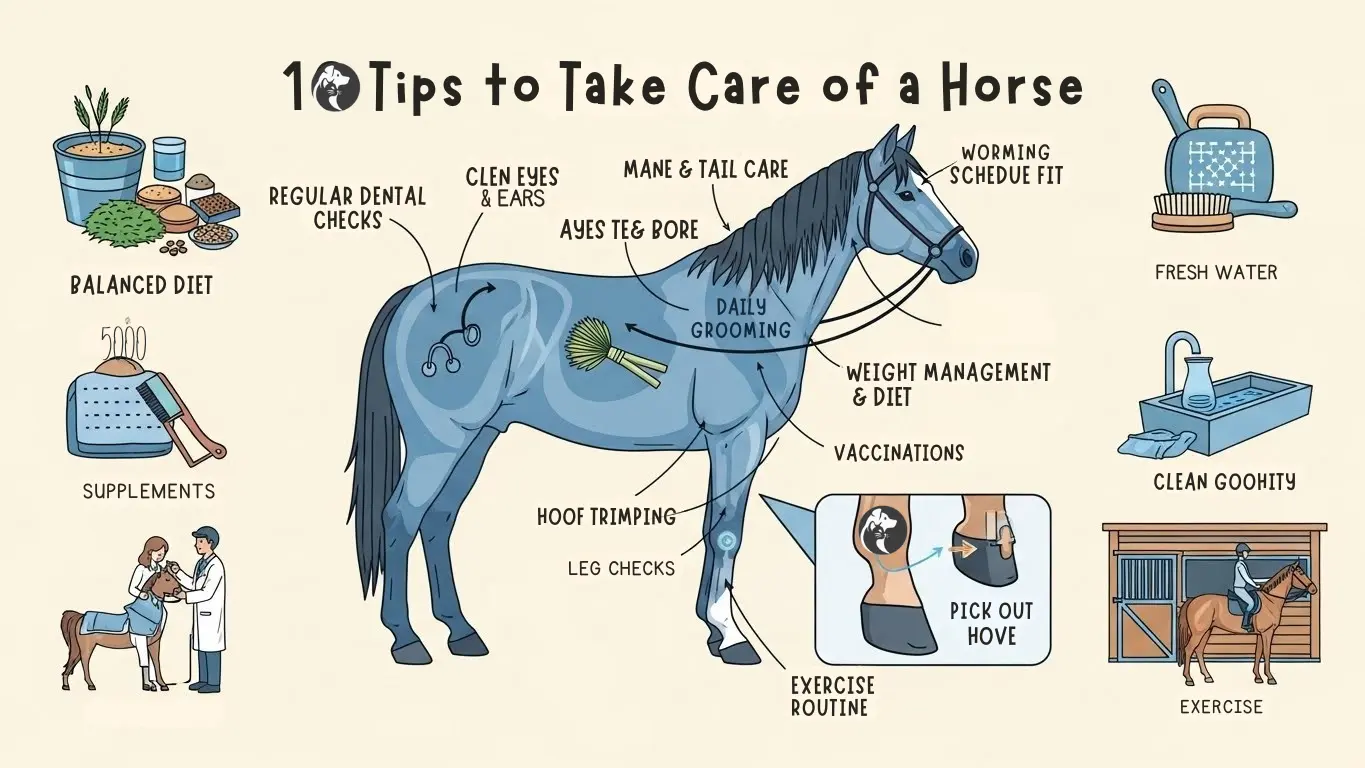
Hey there, fellow horse lover! Remember that first time you laid eyes on your horses the way their ears perked up, or how they nudged your shoulder like you were old pals? It’s magic, right? But let’s be real: that spark fades fast if you’re scrambling to figure out the basics of keeping them thriving. I’ve been knee-deep in barns and pastures for years, dodging mud puddles and dodging vet bills too, and I’ve learned the hard way that great horse care isn’t about fancy gear or endless cash. It’s about smart, steady habits that let your four-legged buddy gallop through life with a swish in their tail.
Nail Down a Balanced Diet That Fits Their Life
Horses aren’t picky eaters like some of us humans grabbing takeout on the fly they’re grazers by nature, and skimping here can lead to tummy troubles or a dull coat that makes them look like they’ve been rolling in dust bunnies. Start with the basics: hay or fresh grass should make up 80-90% of their meals, aiming for 1.5-2% of their body weight each day. For a 1,000-pound horse, that’s about 15-20 pounds of forage. But don’t just toss a bale and call it good pick leafy, green hay without mold or dust to avoid respiratory issues.
Tailor it to their gig: a couch-potato pasture horse needs less than your weekend trail warrior burning calories. Add grains sparingly if they’re working hard, and always chat with your vet about supplements like biotin for hoof strength or omega-3s for that glossy shine. Pro tip: Soak hay in warm water during cold snaps to make it easier on chompers and encourage eating. Watch for weight changes—ribs shouldn’t poke out, but you don’t want a potbelly either. Get hands-on: Feel their sides weekly; if you can see hip bones, up the forage. This isn’t rocket science, That’s when colic sneaks in, and trust me, a midnight vet run at 2 a.m. isn’t how you want to spend your beauty sleep.
- Daily checklist: Portion hay into small feeds (3-4 times a day) to mimic wild grazing and cut colic risk.
- Red flags: Dropped feed, loose poop, or sudden pickiness—call the vet pronto.
- Fun twist: Mix in apple slices as a treat; horses go nuts for the crunch, and it’s cheaper than store-bought goodies.
Keep Water Fresh and Flowing Like a Mountain Stream
You wouldn’t sip from a murky puddle, so why expect your horse to, Dehydration hits horses hard they can lose 10 gallons a day in summer sweat-fests and it ramps up risks for impaction colic or kidney woes. Aim for 5-15 gallons daily per horse, more if it’s hot or they’re huffing through workouts. Automatic waterers are gold for busy folks, but hand-fill buckets if you can; it lets you eyeball for algae or debris.
Clean troughs or buckets every couple days with a mild bleach solution (1 part bleach to 10 parts water, rinsed well), and in freezing weather, break ice twice daily or use heated buckets to keep things liquid. Ever notice how horses dunk their hay? It’s their way of softening it totally normal, but it muddies water fast, so refresh often. For a quirky hack, toss in a few clean rocks; horses love batting them around, which stirs the water naturally and keeps it from going stagnant.
- Quick fixes: Add electrolytes to water post-ride, but introduce slowly to avoid tummy upset.
- Watch out: If they’re guzzling less, check for pain (like ulcers) or cold shock warm the water slightly.
- Heart warmer: Seeing your horse drink deeply after a long day? That’s the sound of trust building, one gulp at a time.
Groom Like It’s Date Night Daily and with Love
Grooming isn’t just vanity; it’s your daily health scan disguised as a spa day. A good brush session boosts circulation, spreads natural oils for a sleek coat, and uncovers cuts or lumps before they fester. Grab a curry comb for the body (circular motions, please no scrubbing like you’re power-washing a deck), a stiff brush to flick off dirt, and a soft one for the face and legs. Hoof picks are non-negotiable clear out rocks and mud twice a day to dodge abscesses.
Do this ritual every morning; it’ll calm a fidgety horse and strengthen your partnership. In shedding season, invest in a shedding blade for that fuzzy winter undercoat your horse will thank you by not turning your truck into a fur factory. Humor alert: If your horse starts dozing mid-brush, you’ve nailed the zen zone. But skip the tail-pulling drama; gentle detangling with conditioner beats yanking and getting a sassy swat.
- Pro moves: Use a mane comb for tangles, and always check girth areas for rubs from yesterday’s saddle.
- Bonus perk: Grooming spots sweet itch from flies early slap on a fly sheet if needed.
- Emotional nudge: It’s those quiet moments, curry in hand, where you feel like you’re speaking their language.
Build a Safe Haven in Stall and Pasture
Your horse’s home should feel like a cozy fortress, not a booby-trapped adventure park. Stalls need at least 12×12 feet for turning room cramped quarters lead to boredom chews or sore joints. Bed deep with straw or shavings (6-8 inches) for cushion, and swap it daily to zap ammonia smells that irritate lungs. No sharp nails, flimsy doors, or toxic plants like yew bushes lurking.
Out in the paddock, fence it horse-high (4-5 feet, no barbed wire wood or electric tape rules) and rotate fields to prevent overgrazing and parasites. Fill holes with sand to avoid twisted ankles, and scatter toys like jolly balls for mental breaks. I once watched a buddy’s gelding turn a loose bucket into a drum solo—harmless fun, but hazards? Not so much. Seasonal swap: Muddy spring lots get gravel pads to cut foot rot.
- Safety sweep: Weekly walk-throughs catch rust or weak spots before they bite.
- Eco-friendly add: Plant horse-safe hedges for windbreaks beauty and function in one.
- Reality check: A secure setup means fewer “oops” calls to the farrier at odd hours.
Get Them Moving Exercise Isn’t Optional
Horses were born to roam, not binge-watch sunsets from a stall. Daily movement keeps muscles toned, joints lubed, and that wild spirit alive stagnant equines pack on pounds and pine for action. Mix it up: 30 minutes of lunging or trail walks for beginners, ramping to hours of riding for athletes. Always warm up with a loose rein trot to loosen limbs, and cool down with stretches like carrot incentives for neck bends.
Weather-proof it: Rainy days mean arena games or hand-walking; winter calls for blanketed turnout romps in snow. Track progress better stamina means fewer huff-and-puffs uphill. Funny story: My mare once “escaped” during a lazy spell and led a neighborhood pony parade. Lesson learned: Motion prevents mischief.
- Variety vibes: Alternate flatwork, hills, and liberty play to dodge boredom burnout.
- Health tie-in: Exercise trims fat, sharpens hooves naturally, and fights laminitis.
- Joy factor: Nothing beats that post-ride glow when you both collapse in happy exhaustion.
Team Up with Your Vet for Proactive Checkups
Vets aren’t just for crises they’re your co-pilot in dodging disasters. Schedule bi-annual wellness exams: full once-overs for eyes, heart, gut sounds, and flexibility. Core vaccines (tetanus, flu, rabies) shield against nasties, and fecal tests guide deworming to curb resistance. Budget $300-500 yearly, but it pays off in dodged $2,000 colic surgeries.
Share your horse’s quirks, like that pre-storm spook, for tailored advice. New angle: Apps like Equilab log symptoms and shots tech-savvy tracking without the notebook mess. And don’t forget emergencies: Stock trailer keys nearby and know your clinic’s 24/7 line.
- Prep hacks: Fast for bloodwork mornings, and jot questions ahead.
- Senior focus: Older horses need thyroid checks and joint X-rays.
- Gratitude note: A healthy horse is the best high-five from your vet team.
Hoof Care The Foundation of It All
Hooves are a horse’s tires neglect them, and everything grinds to a halt. Pick ’em clean daily to evict stones and thrush (that smelly black gunk), and schedule farrier visits every 6-8 weeks for trims or shoes. Barefoot works for light-duty paddock ponies, but arena stars need steel for traction.
Assess terrain: Rocky trails demand tougher shoes; soft fields suit naturals. DIY tip: Moisturize dry cracks with hoof oil, but skip overkill nature knows best. Watch for heat or limps; early farrier tweaks prevent big bucks later. Anecdote time: I ignored a tiny chip once, and it snowballed into a month off lesson etched deeper than any rasp.
- Home routine: Balance checks by sighting down the leg straight as an arrow.
- Nutrition link: Biotin-rich feeds strengthen from within.
- Pride point: Polished hooves? That’s strutting confidence on four legs.
Dental Work Keep Those Teeth in Tip-Top Shape
Horses grind side-to-side, so uneven wear creates sharp hooks that poke cheeks or drop feed ouch and waste. Annual floats (filing those points) by a equine dentist costs $150-250 but keeps eating efficient and bit comfy. Signs of trouble: Quidding (chewed wads on the ground) or head-tossing under saddle.
Foals need caps checked at weaning; seniors might require softer senior feeds. Gentle reminder: Sedation makes it smooth, so no stress sweat. Unique nugget: Herbal rinses like chamomile soothe post-float inflammation nature’s ice pack.
- Spot checks: Open mouth weekly for red gums or loose teeth.
- Age tweaks: Weanlings get milk teeth pulls; elders watch for waves.
- Smile saver: Happy munchers mean fewer vet hay bills.
Build a Herd Heart Social Time Matters
Horses are pack animals; isolation breeds stress ulcers faster than you can say “lonely whinny.” Pair yours with a chill buddy goats for quirky laughs, or another horse for grooming sessions that beat any spa. Pasture them together when possible, but supervise intros to avoid ear-pinnings turning to kicks.
Enrich solo time: Hang slow-feed nets for puzzle-like meals or mirrors for “company.” Research shows social bonds lower cortisol fancy talk for calmer vibes. My gelding perked up with a mini-donkey sidekick; now they’re inseparable nap partners.
- Matchmaking: Temperament trumps breed fiery with mellow wins.
- Space rules: Enough room for “me time” amid the mingle.
- Bond boost: Watching them mutually groom? Pure heart-melt.
Training and Enrichment Sharpen Body and Brain
Riding’s great, but true care layers in ground games and tricks to keep minds engaged. Lessons build your skills $50/session beats bad pet healthy habits costing thousands in rehab. Teach liberty cues or weave poles for fun; it prevents stall sour attitudes.
Incorporate rest days with massages or acupuncture for recovery holistic tweaks many overlook. Track with journals: What fired them up today? New info: Equine cognitive games, like treat mazes, fight dementia in elders. End with praise; a good scratch says “we’re in this trot together.”
- Progress plan: Short sessions build focus without fatigue.
- Injury dodge: Warm-ups and cool-downs are non-negotiable.
- Ultimate win: A willing horse isn’t trained it’s partnered.
Whew, we’ve covered a lot of ground, Taking care of a horse is like nurturing any deep friendship: It takes time, tweaks, and a whole lot of heart. Start with one tip this week maybe that water refresh and build from there. Your horse will show it in brighter eyes and bouncier steps. Got stories or tweaks? Drop ’em in the comments; let’s swap saddle sores and successes. Ride on, friends may your paths be smooth and your stirrups even.